Each culture celebrates special days in its own unique way, and there are only a few days that are memorable enough to unite billions of people at once. New Year's Day is the world's best-known holiday, celebrated by an estimated 5 to 6 billion people on January 1st each year. Christmas, Easter, Ramadan, and Diwali are close behind and are celebrated by more than a billion people in many countries.
Holidays are more than just a day off work. They contain the history, religion, and identity of a culture. They mark time differently in each region with fireworks displays, feasts or fasting, or by lighting a lamp. Each holiday is listed below in order throughout the year, with the date and the reasons why it is celebrated.
New Year's Day is the most popular holiday in the world. It's the first day of the Gregorian calendar, and it's celebrated nearly everywhere, from fireworks over Sydney Harbour to the ball drop in New York's Times Square. It is not a religious holiday and thus is one of the few holidays that are celebrated by almost every country.
Unlike the other major festivals, the Lunar New Year does not occur on a fixed date and is based on the moon, so it is somewhere between late January and mid-February every year. Families get together for "reunion dinners," give away red envelopes containing "luck money," and line the streets with lion dances and fireworks. Today, Vietnam is celebrating Tết, and Korea is celebrating Seollal, each of which has its own local traditions.
Mahashivaratri is a Hindu festival (holiday) to honor Lord Shiva. It is celebrated with a night of prayers, fasting, and devotion, and is one of the most widely celebrated nights on the Hindu calendar, with well over a billion people participating around the globe annually.
Valentine's Day is a day for love and affection. It was made for couples, friends, and family. Today, this religious celebration has been transformed into a more secular holiday, and people give presents, cards, and flowers to one another around the world.
Independence Movement Day is a South Korean holiday to honor the March 1st movement against Japanese colonization. It is an important day of national pride, also marked with ceremonies throughout the country.
Mardi Gras or "Fat Tuesday" marks the final large festive event before the Christian observance of Lent. With parades, beads, masks, and heavy Creole cuisine, New Orleans is the best-known celebration of the concept, and it is celebrated in a variety of other Catholic nations across the world as Carnival.
Holi is a festival that is celebrated in the Hindu community in India and Nepal to celebrate the beginning of spring and the victory of good over evil. Bonfires are lit on the night before to burn away negativity. On the day, they toss colored powder and water at one another, dance in the streets, and give one another sweets, such as gujiya.
St. Patrick's Day celebrates the patron saint of Ireland and has become an international holiday of Irish culture, even for people who have no Irish ancestry. Rivers are dyed green, landmarks are painted green, and parades are held in Dublin to Chicago.
Nowruz is the Persian New Year, which falls at the spring equinox and is based on the ancient Zoroastrian calendar. Families make a symbolic table with seven items representing renewal, and then cleanse the house, sit around the table, and eat. It is popular in Iran, Afghanistan, and Central Asia.
April Fool's Day is a playful holiday that's all about pranks, jokes, and fun. It isn't part of any culture or religion. It is just a day for people all over the world to try to fool one another.
Passover marks the biblical story of the Israelites' escape from slavery in Egypt. Jewish families sit around for a special meal called the Seder on several nights and share the story of the Exodus using symbolic foods. The date varies annually with the Hebrew calendar.
It is the biggest holiday on the Christian calendar, the day Jesus Christ rose from the dead, and is observed by over two billion people. The date varies by year, but is always the first Sunday after the first full moon after the spring equinox. It is traditionally celebrated with church, egg hunts, and holiday feasts.
Ramadan is the Muslim holy month of fasting, prayer, and devotion, observed by nearly 2 billion Muslims. Fasting Muslims do not eat or drink from sunrise to sunset, and they break their fast every night with a meal called iftar. Eid al-Fitr is the end of the month and a happy festival with new clothes, gifts, and large family dinners.
Vaisakhi is a Punjabi New Year and the initiation of the Khalsa in Sikh history. The farmers celebrate the spring harvest, Gurdwaras organize free community meals, known as langar, and many Sikhs become initiated into the faith on this day.
The traditional Thai New Year is Songkran, celebrated by water fights that take place throughout the city, with the idea of washing away bad luck from the past year. Many families also go to the temples to pour water over the Buddha statues as a sign of respect.
The Ridván is a Bahá'í celebration of the day on which Bahá'u'lláh, the founder of the Bahá'í Faith, announced his mission. It's observed with gatherings, prayer, and reflection by Bahá'í communities around the world.
Labour Day is also known as Workers' Day in many countries and celebrates the labour movement and workers. Celebrated with parades, rallies, and public events, it's also a celebration of the coming of spring in many places around the world.
In South Korea as well as Japan, Children's Day is held to celebrate the happiness and well-being of children. Families spend the day together, and many have special events and activities for the children.
Vesak is the holiest of the Buddhist festivals. This day is marked as a celebration of the birth and death of the Buddha, all of which are believed to have taken place on this day. Buddhists meditate at the temple before sunrise, and the holiday is also called Buddha Purnima in various areas.
Dragon Boat Festival celebrates the ancient Chinese poet Qu Yuan, and dragon boat racing is part of the celebration, with teams driving long, decorated boats to the rhythm of drums. Zongzi (sticky rice dumplings wrapped in bamboo leaves) is also eaten by families.
The time of the longest day of the year in the Northern Hemisphere is the summer solstice, which has been celebrated since the dawn of time. Midsummer in the Baltic states involves going out into the countryside and staying up all night. In Scandinavia, people dance around maypoles and light bonfires. The same day is the southern winter solstice.
The Fourth of July is a celebration of America's independence from Britain in 1776. It's celebrated throughout the country with fireworks, parades, concerts, and backyard barbecues.
Bastille Day is France's national holiday, celebrating the storming of the Bastille prison in 1789 and the beginning of the French Revolution. It is celebrated throughout the country with public celebration, military parades, and fireworks.
The Festival of Sacrifice, Eid al-Adha, is the conclusion of the pilgrimage to Mecca and a reminder of the willingness of the Prophet Ibrahim to sacrifice his son for God's command. Those who can afford to give their meat to family, neighbors, and those in need, and this helps to make charity a part of the day.
It is a Christian festival celebrating the assumption of the Virgin Mary into heaven. Celebrated by special church services, it is a public holiday in many Catholic nations.
Liberation Day is the day of South Korea's liberation from Japanese domination in 1945. It is marked by ceremonies, displays of the national flag, and pride throughout the country.
Obon is a Japanese Buddhist festival in which the spirits of the ancestors are believed to visit their loved ones. Families light lanterns to invite the spirits back home, attend and clean family graves, and participate in the town square Bon Odori, a traditional folk dance.
The most important religious celebration in the Jain tradition is Paryushana, which involves fasting, prayer, and self-reflection. It's time to ask forgiveness and renew one's spiritual commitments as a Jain.
The holiest day on the Jewish calendar is Yom Kippur, the Day of Atonement. It is a reflection period after Rosh Hashanah, and 10 days of reflection are called the Days of Awe. It is observed by Jews by fasting for 25 hours and by spending all day in prayer, seeking forgiveness for the misdeeds of the preceding year.
Rosh Hashanah is the first of the two Jewish holidays, and the start of the Days of Awe, the ten days of reflection before Yom Kippur. It's marked with prayer, special food, and family time.
The Mooncake Festival is also known as the Mid-Autumn Festival, and is a celebration of the harvest under the brightest full moon of the year. Families exchange mooncakes and light lanterns, as well as the stories surrounding the festival. It is one of the largest holidays in China, Vietnam, and other countries of East Asia.
Octoberfest began in Munich, Germany, and is now the biggest beer festival in the world, attracting millions of people annually. It's centered around Bavarian cuisine, folk music, traditional clothing, and of course beer, served in massive tents. Many cities in the world now have their own.
The founding of the People's Republic of China in 1949 is celebrated on National Day. It is marked around the country with fireworks displays, flag ceremonies, and public events.
The Festival of Lights, known as Diwali, is celebrated by over one billion Hindus, Sikhs, and Jains, and some Buddhists, and normally lasts for 5 days. Oil lamps known as diyas, candles, and firecrackers are used to illuminate homes to signify light in darkness. Families sit together for holidays, they exchange presents with each other, and they decorate their houses with colors to form a rangoli pattern.
Halloween started as an ancient Celtic celebration of the end of the harvest season and has evolved into a holiday associated with costumes, trick-or-treating, and spooky decorations. It's particularly large in the United States, with over 70% of the population participating every year.
All Saints' Day is a Christian holiday to remember all saints, known and unknown. It is seen in church services and in many countries, visits to the graves of loved ones.
Guru Nanak Gurpurab honours the birth of Guru Nanak, the first Sikh Guru. People celebrate the day in prayers, hymn singing, and processions at Gurdwaras all over the world.
Bandi Chhor Divas marks the day when Guru Hargobind Ji and 52 princes were released from prison. Diwali is celebrated by Sikhs, along with it using lights, prayers, and community meals.
A holiday centered on Thanksgiving, family, and a common meal, celebrated primarily in the United States and Canada. A turkey dinner with sides such as stuffing, cranberry sauce, and pumpkin pie is typically the main course. It's also the unofficial beginning of the holiday shopping season in the US.
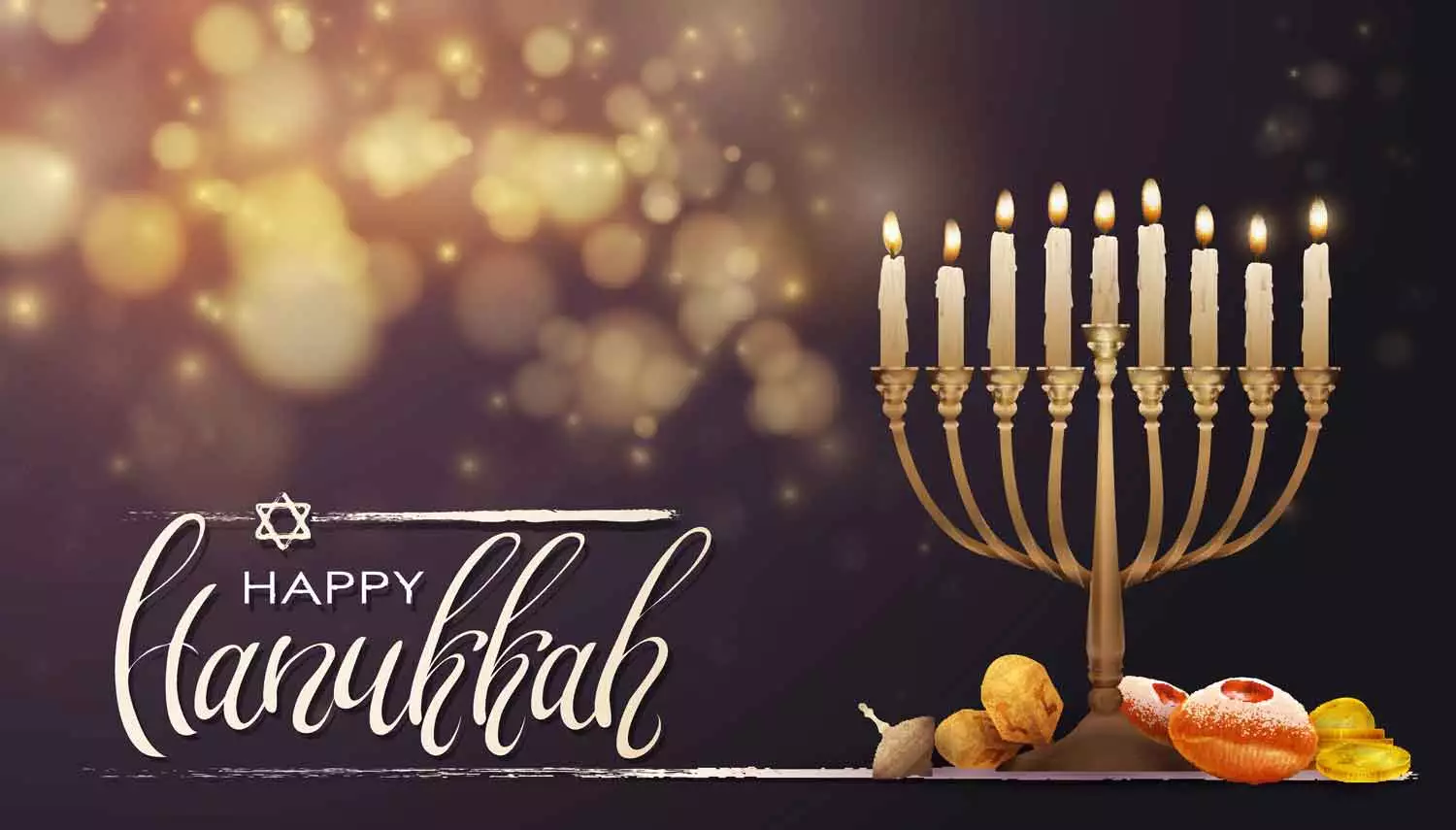
Hanukkah is a Jewish Festival of Lights that celebrates the rededication of the Second Temple in Jerusalem after the Maccabean revolt. Families light one candle on the menorah each night, play the game, and have an oil-based food for each night, such as latkes, for a total of eight nights.
Los Posadas is a nine-day celebration that originated in Spain and is still celebrated in Latin America today. A Christian custom of passing from home to home with candles to pray. There is a feast and breaking of the festive piñata at the end of each night.
The winter solstice is the shortest day of the year, the longest night, and has been celebrated since ancient times as a symbol of rebirth and the sun's return. It is celebrated in Northern Europe as Yule, through bonfires and feasting. Its roots go back even further than most religious winter holidays, tracing back to Neolithic times.
Christmas is one of the world's most celebrated holidays, with about 2.3 billion people (including many non-Christians) celebrating it. There are many different traditions, such as celebrating the festival at midnight Mass, decorating trees, exchanging presents, and in Iceland, placing small gifts in children's shoes for the 13 Yule Lads for 13 nights before Christmas.
Celebrated for seven days, Kwanzaa is an African American culture and heritage celebration developed in 1966 and based on seven principles, or Nguzo Saba, which include unity, purpose, and creativity. Families light a kinara, eat together, and hold a final feast known as 'Karamu'.
This New Year's Eve is the end of the year with parties, countdowns, and fireworks throughout the cities. The customs vary from country to country. Whether it's eating 12 grapes in Spain at midnight, watching the ball drop in New York, or setting off fireworks over the Sydney Harbour, it's all about the feeling of hope for the year ahead.
There are so many holidays, and this is not all of them out there. But it is a simple thing that people all over the world will love a good reason to get together. From lamps to lanterns, feasts to fireworks, each culture celebrates the significant times in its own unique fashion. Whatever day it is, there is someone somewhere who is celebrating something.


.png)